Primer vs Undercoat:
Home › Blog › Primer vs Undercoat Dubai Walls
Primer vs Undercoat:
What Dubai Walls Actually Need Before Painting
Primer and undercoat are often treated as interchangeable — but they do different jobs. That distinction matters whether you are repainting a Dubai apartment, preparing a new gypsum partition, refreshing a villa exterior or correcting a wall with stains, filler repairs or weak old paint. This guide explains the difference and tells you exactly when each is needed.
Expert answer: Primer is mainly substrate-focused — it helps prepare a surface for the coating system, supporting adhesion and managing porosity. Undercoat is generally finish-focused — it creates a more uniform base beneath the topcoat. Some modern products combine both roles. The most important rule: your wall condition and the selected manufacturer system determine what you need — not a fixed formula of “primer plus undercoat on every job.”
- Quick Answer Table
- What Is Wall Primer?
- What Is an Undercoat?
- Primer vs Undercoat vs Sealer
- Do Dubai Walls Need Primer?
- 8 Situations That May Need Primer
- When You May NOT Need Primer
- When You Need an Undercoat
- Does Emulsion Need Undercoat?
- Dubai Wall-by-Wall Guide
- New Plaster vs Old Painted Walls
- Gypsum Walls and False Ceilings
- Exterior Primer for Dubai Villas
- 6 Things Primer Cannot Fix
- 10 Common Mistakes
- Professional Preparation Process
- Final Verdict
- FAQ
| Factor | Primer | Undercoat |
|---|---|---|
| Main purpose | Prepare and bond to substrate | Create a uniform base for topcoat |
| Applied to | Bare, repaired, porous or problem surfaces | Usually within a specified coating system |
| Adhesion | Often a primary role | Product and system-dependent |
| Porosity control | Can be important | Usually not its main role |
| Colour transition | May help depending on product | Can improve opacity and uniformity |
| Needed on every wall? | No | No |
| Can one product do both? | Yes — some products are combined systems | Yes — check the technical data sheet |
Wall primer is a preparatory coating selected to suit the substrate and the finish system. Its job is not simply to make the wall white. Depending on the product, primer can promote adhesion, reduce uneven absorption, prepare bare surfaces, create a consistent base over repairs or isolate specific stains.
What Primer Actually Does
Types of Primer — Not Interchangeable
An undercoat is an intermediate layer used beneath the decorative finish where the coating system calls for it. It can help create a more uniform base, improve opacity, reduce show-through from a previous colour and support a smoother-looking final finish.
Is undercoat the same as primer? No — not technically. Primer is primarily concerned with the substrate; undercoat is primarily concerned with building the base for the finish. However, modern formulations can combine both roles, which is why the exact product specification matters more than the label alone.
| Product | Main Job | Typical Situation |
|---|---|---|
| Primer | Adhesion and substrate preparation | Bare, repaired or problem surfaces |
| Sealer | Control or isolate substrate characteristics | Porous, new or specified surfaces |
| Undercoat | Uniform base beneath the finish | Before topcoat where the system requires it |
| Stain-blocking primer | Isolate appropriate resolved stains | After the stain source has been identified and resolved |
| Finish / topcoat | Final colour and performance | Decorative or protective final layer |

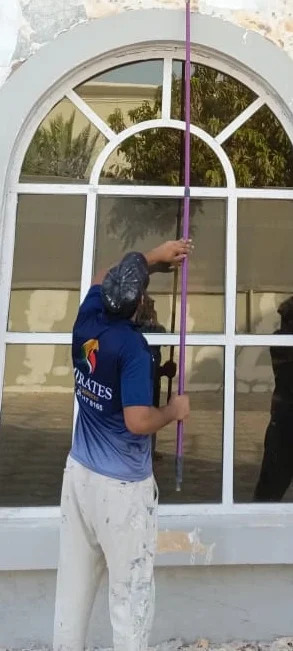
Sometimes absolutely — sometimes not. A previously painted wall that is clean, dry, firmly adhered, compatible with the new coating and free from significant repairs or stains may be suitable for direct recoating if the finish-paint manufacturer allows it.
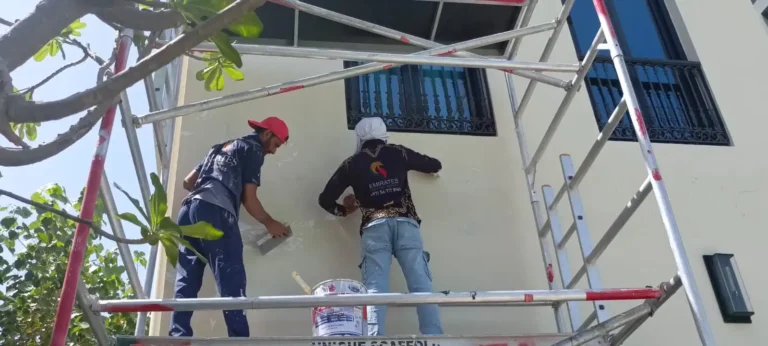
Primer becomes more important with new plaster, new gypsum, bare masonry, filler repairs, uneven porosity, stains, adhesion problems, stripped peeling areas, some major colour changes and specialist exterior systems. The Home Painting Services process includes cleaning, sanding and applying primer as part of a preparation-led workflow — applied where the surface needs it.
Painting New Plaster
New plaster should not be rushed into decoration. Its moisture condition, porosity and alkalinity need to be compatible with the proposed system. Follow the plaster and coating manufacturer’s cure requirements and use the recommended primer or sealer.
Painting New Gypsum Board
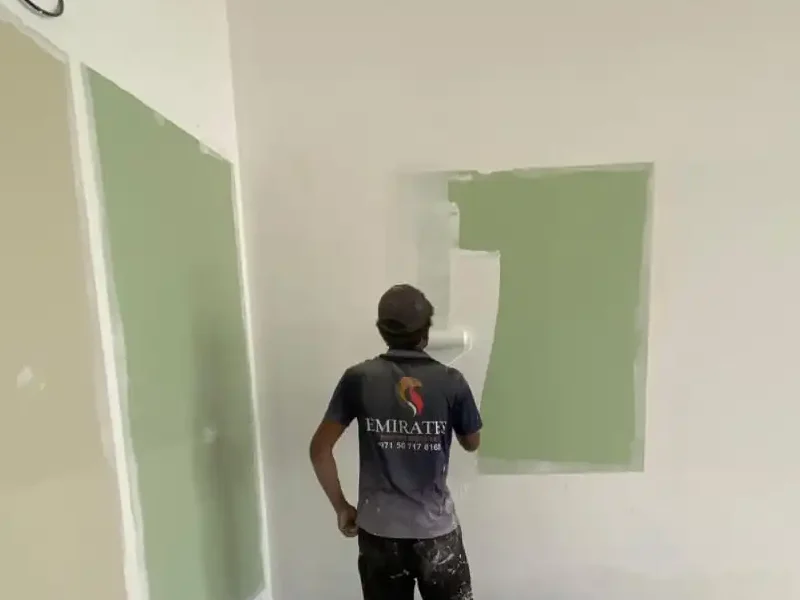
Gypsum board, joint compound and filled screw heads absorb paint differently. Proper sanding plus a compatible primer or sealer helps create a more uniform base and reduces visible joint bands or patchiness under directional light.
Wall Has Been Repaired With Filler
Fresh filler absorbs finish paint differently from the surrounding old coating. Spot priming or broader primer application may be needed depending on the extent of repair and the chosen paint system.
Painting Over a Dark Colour
Changes such as navy to white or dark grey to beige can require a carefully selected base system. Primer or an intermediate coat can help — but it does not guarantee a one-coat finish. Opacity, colour and product specification still matter.
Existing Paint Is Peeling
Primer does not repair failed paint. First identify the cause, remove loose coating, repair the surface, sand and clean it — then prime where specified before repainting. See Interior Painting Services Dubai for the preparation approach.
Wall Has Water Stains
Do not apply ordinary primer over an active damp patch. Identify and repair the water source, allow appropriate drying, prepare damaged material and use a suitable stain-blocking system only once the cause has been resolved.
Glossy or Difficult-to-Bond Surface
Cleaning, degreasing and deglossing or sanding may be required before a bonding primer is considered. Primer is not a substitute for necessary mechanical preparation — both steps are usually required.
Exterior Villa Walls in Dubai
Dubai exterior walls face UV, heat, humidity, dust, chalking and — in coastal communities — salt exposure. Exterior primer should be selected for the actual masonry or render and the specified topcoat system. See Exterior Painting Services Dubai.
Not sure what your Dubai walls actually need?Emirates Painting Services inspects your walls and recommends the right preparation — free site visit included.
Major Colour Changes
An intermediate base may improve opacity and help the finish reach a uniform colour more efficiently.
Uneven Base Colour
Where repairs or mixed previous colours create visual variation, a suitable intermediate layer can help create consistency.
When the Manufacturer Specifies It
This is the strongest reason. Follow the complete specified system rather than deleting or adding layers based on habit.
Multi-Coat Specialist Systems
Protective systems can have defined primer, intermediate and topcoat layers — each with a different function that should not be skipped.
Certain Wood or Metal Systems
Traditional and specialist wood or metal coating systems may specify separate primer and undercoat stages as part of the defined system.
Improved Opacity Required
A compatible undercoat can support colour transition and uniformity where the system is designed for it.
Not always. Modern interior emulsion systems vary considerably. Whether a primer, sealer or undercoat is required depends on whether the wall is new or previously painted, repairs present, colour change, porosity, existing coating compatibility and the manufacturer’s system. There is no universal answer — the product and surface together determine the preparation needed.
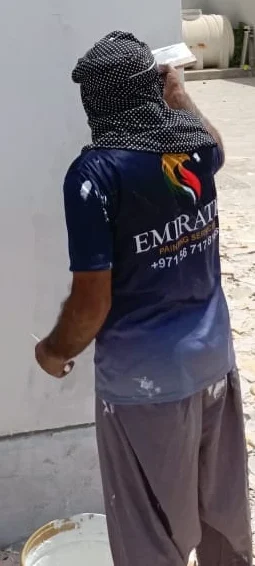
| Wall Condition | Primer? | Undercoat? | Key Action |
|---|---|---|---|
| Sound painted wall | May not be needed | Usually not | Clean, prepare and compatible repaint |
| New plaster | Usually specified | Product-dependent | Allow readiness, use specified sealer or primer |
| New gypsum board | Usually recommended | Product-dependent | Prepare and seal or prime uniformly |
| Filler repairs | Spot or full primer may be needed | Usually not | Control uneven absorption at repairs |
| Dark to white | Often useful | May help | Build suitable base for the colour change |
| Water stain | Specialist primer may be needed | Usually not | Fix water source first — then treat |
| Peeling paint | After failed paint is removed | Product-dependent | Diagnose and repair cause before priming |
| Glossy surface | Bonding system may be needed | Product-dependent | Clean and degloss first |
| Exterior masonry | Often part of system | System-dependent | Use compatible exterior primer and topcoat system |
| Mould or damp wall | Do not simply prime | No | Diagnose moisture source first |
New Plaster
Previously Painted Wall
Gypsum partitions and false ceilings are common in Dubai apartments, villas and offices. Joint compound, screw-head repairs and board faces can create different absorption rates. Consistent sanding, dust removal and a suitable primer or sealer help create a more uniform surface before a matte or other selected finish is applied.
For ceiling-specific finishes and room-by-room recommendations, Interior Painting Services Dubai covers the surface treatment and preparation approach.
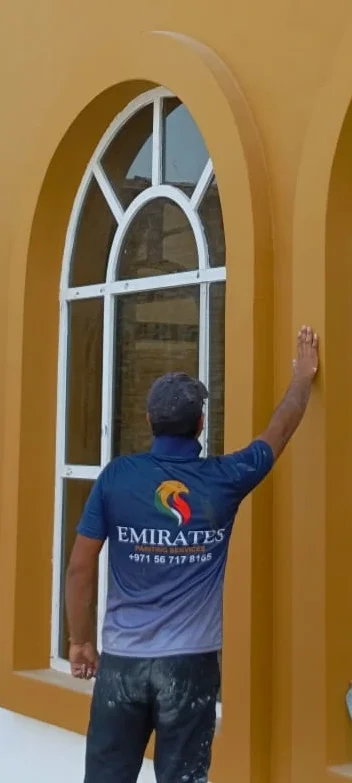
There is no single universal exterior primer for every Dubai villa. Evaluate substrate compatibility, alkali resistance where relevant, adhesion, moisture conditions, compatibility with the topcoat, exterior rating and the manufacturer’s complete system before selecting.
For the complete exterior workflow, including surface treatment and coating system selection, see Exterior Painting Services Dubai.
Active water leakage — the source must be repaired first
Structural cracks — crack repair must precede any coating
Loose plaster — unstable substrate needs repair before priming
Mould from unresolved moisture — source and surface need treatment
Peeling or unstable substrate — failed coating must be removed
Contaminated or dusty surfaces — cleaning must happen before priming
Key principle: Primer improves a correctly prepared painting system — it does not replace wall repair. Preparation always comes before primer.
Surface problems before your repaint?Emirates Painting Services diagnoses cracks, damp, peeling and failed paint — then prepares and paints correctly.
Priming over dust — surface must be clean and dust-free first
Applying primer over an unresolved damp wall
Assuming every wall needs primer regardless of condition
Using an interior primer outdoors — products have different specifications
Using the wrong primer type for the substrate
Treating primer and undercoat as identical products
Painting new plaster before it is sufficiently ready for decoration
Skipping sanding because primer will be applied anyway
Using ordinary primer to hide active water staining
Ignoring manufacturer drying intervals and recoat instructions
Inspect Wall
Assess adhesion, cracks, damp, previous coatings and surface condition.
Identify Problems
Note damp, cracks, peeling, stains and failed paint areas.
Repair the Cause
Fix the underlying problem — not just the visible symptom.
Clean Surface
Remove grease, dust, salts and contaminants.
Remove Loose Paint
Scrape and remove all unstable existing coating.
Fill and Repair
Crack fill, putty repairs and filler — allow to cure.
Sand and Degloss
Feather repairs, sand rough areas and degloss where needed.
Remove Dust
Thoroughly clean all sanding dust before any coating.
Apply Primer / Sealer
Where required by the substrate and specified coating system.
Apply Undercoat If Required
Only when the manufacturer’s system specifies it.
Apply Finish Coats
Following manufacturer recoat intervals and coverage guidance.
Final Inspection
Check coverage, uniformity, cutting-in and touch-ups.
Inspect the existing surface condition and coating
Identify cracks, damp, peeling and adhesion problems
Determine the substrate type — plaster, gypsum, masonry, etc.
Check the existing coating condition and compatibility
Repair and prepare the surface correctly
Select a compatible primer or sealer where the system requires it
Apply the appropriate paint system for the substrate and use
Inspect the final finish and complete touch-ups and walkthrough
The practical value of this approach: preparation can and should change from wall to wall. A repaired gypsum partition, sound old emulsion and weathered exterior render should not automatically receive the same treatment. Related services: Home Painting Services Dubai • Interior Painting Services Dubai • Villa Painting Services Dubai • Exterior Painting Services Dubai.
Use Primer When
The substrate needs adhesion support, sealing, stain isolation or another primer-specific function defined by the product system and wall condition.
Use Undercoat When
The specified system needs an intermediate layer to improve uniformity, opacity or the base for the decorative finish coat.
Use Both When
The substrate and selected manufacturer system specifically call for both stages — follow the complete system as specified.
Use Neither When
A sound, compatible, previously painted wall can be correctly prepared and directly recoated according to the finish-paint manufacturer’s instructions.
Most important rule: Don’t ask only “Does my Dubai home need primer?” Ask: “What is this wall made of, what condition is it in, what coating is already on it, and what does the selected paint system require?” — the answers to those questions determine the right preparation.
Need a Wall Assessment Before Repainting Your Dubai Home?
Emirates Painting Services inspects your walls — cracks, damp, peeling, gypsum, exterior — and recommends the right preparation and coating system. Free site visit and written quote, no obligation.